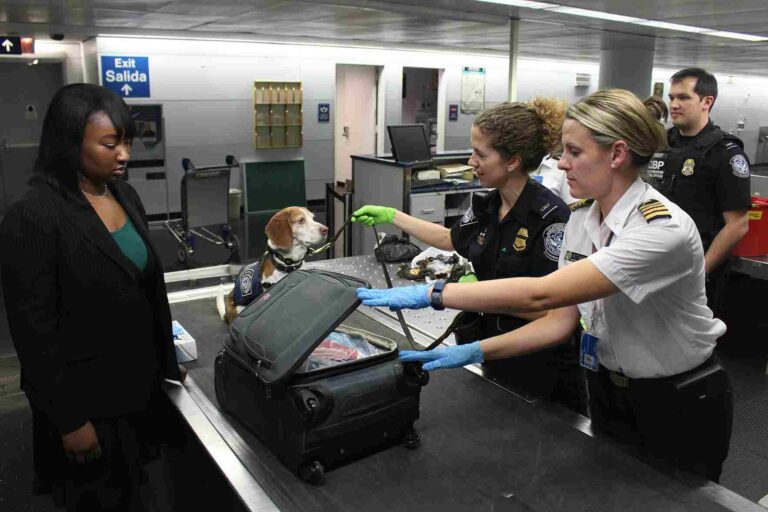
You’ve survived the flight. You’ve landed. And then something goes wrong.
Maybe the immigration officer is asking questions your visa doesn’t seem to answer. Maybe you reach into your bag for your passport and it isn’t there. Maybe you land and check the departures board and your connecting flight left 20 minutes ago. Maybe someone you’re travelling with collapses in the arrivals hall.
None of these scenarios are common. But they happen, and the people who handle them worst are always the ones who had no idea what to do and panicked. The people who handle them best are the ones who knew, even roughly, what the process was.
This article covers the four scenarios that genuinely derail first-time travellers at arrival, and exactly what to do in each one.
Quick Summary
- Most arrival emergencies have a process. Knowing what that process is before you land is the difference between a bad hour and a ruined trip.
- If you’re denied entry, do not argue with the immigration officer. Ask calmly what your options are and request to speak to a supervisor if needed.
- Lost documents at arrival should be reported to the airport police or your country’s nearest consulate immediately, not later.
- A missed connection is the airline’s problem to solve if the delay was their fault. Go to the airline desk before you leave the transit area.
- Medical emergencies at airports are taken seriously. Don’t try to push through if you or someone with you is unwell.
Scenario 1: You’re Being Questioned Heavily or Denied Entry
This is the one that frightens people most, and it’s worth understanding clearly before you ever board a plane.
At immigration, an officer can question you as long as they need to. They can ask to see additional documents. They can call a supervisor. They can ask you to wait in a secondary screening room. None of these things automatically mean you’re being denied entry, but they do mean you need to stay calm and cooperative.
What triggers extended questioning:
- Inconsistency between your answers and your visa category (saying you’re “visiting” on a student visa, for example)
- Insufficient proof of funds or accommodation
- A previous visa refusal or overstay on record
- Travelling for the first time to a country with strict entry controls
- Your stated purpose of travel raising questions the officer wants to clarify
What to do:
Answer every question honestly and directly. Short answers. Don’t volunteer information that wasn’t asked for. If you said something that came out wrong, correct it calmly without becoming defensive.
If you’re moved to a secondary screening room, this is not an arrest. It’s a holding area where officers can conduct a more thorough check. You’re allowed to ask why you’re being held and how long it will take. You’re allowed to ask to contact your country’s consulate or embassy if you feel your rights are being violated.
If you’re formally denied entry:
The officer will issue you a document explaining the reason. Read it carefully. You have the right to ask for clarification. In some countries you have a right to appeal the decision before being removed, though this varies significantly by country and by the reason for refusal.
Do not shout. Do not threaten. Do not make a scene. None of those things reverse an immigration decision and all of them make your situation worse. The officer has the authority. Work within that reality.
You will likely be held in a secure area of the airport and put on a return flight, usually back to Nigeria. Contact the Nigerian embassy or consulate in that country as soon as you have access to a phone. They can advise you on your rights and next steps.
The most important thing after a denial is to understand the exact reason stated on the paperwork. That reason determines whether you can reapply and under what conditions.
Scenario 2: You’ve Lost Your Documents at Arrival
Your passport, visa, or other travel documents are missing. Maybe they were lost on the plane, left in the seat pocket, or fell out somewhere between the gate and the immigration queue.
First: retrace your steps immediately.
Go back to where you last had the documents. If you think you left your passport on the plane, speak to airline staff at the gate before the aircraft is cleared for its next flight. Cabins are cleaned between flights and items found are logged. Act fast.
If the documents are genuinely gone, here’s what to do:
Step 1: Report to the airport police or airport security office. Every major international airport has a police presence and a lost property office. Report the loss there. Get a written report or reference number. This document is important for everything that follows.
Step 2: Contact the Nigerian embassy or consulate. If you’re abroad and your Nigerian passport is lost, the Nigerian mission in that country is your first point of contact for an emergency travel document. Most missions have emergency contact lines for exactly this situation. Call them before you leave the airport if possible.
Step 3: Contact your airline. If your visa or entry documents are also gone, your situation is more complex. Your airline may have obligations to assist depending on the circumstances. Speak to their ground staff at the airport.
What not to do: Do not try to proceed through immigration without a passport and hope the officer will let you explain. Present yourself honestly to the first official you find and explain what happened. Attempting to bluff your way through is a significantly worse outcome than reporting the loss immediately.
Replacing a Nigerian passport from abroad takes time, cost, and proof of identity. Getting a certified copy of your NIN, birth certificate, and any other identity documents sent from Nigeria may be necessary. This is another reason to have digital copies of all your documents saved in cloud storage before you travel, accessible from any device.
Scenario 3: You’ve Missed a Connecting Flight
You landed at your transit airport and your connecting flight has already departed or is closing by the time you clear immigration or transit security.
First: determine whose fault it was.
If your flights were booked as a single itinerary, meaning on one booking reference with the same airline or an airline partner, and the inbound flight arrived late, causing you to miss the connection, the airline is responsible for rebooking you at no cost.
If your flights were booked separately, meaning two different bookings, even on the same route, and you missed the connection because of a delay on the first flight, the airline of the second flight has no obligation to rebook you for free. This is one of the biggest and most expensive mistakes travellers make when booking cheap itineraries.
What to do:
Go immediately to the airline’s transfer desk or customer service desk in the transit area. Do not exit the airport or collect your baggage first if the connection is still potentially saveable. Tell the agent your situation: your flight number, your missed connection, and your booking reference.
If the airline is at fault, they will typically:
- Rebook you on the next available flight to your destination
- Provide a meal voucher or accommodation if the wait is more than a few hours
- Provide a hotel if you’re stuck overnight
Ask for all of this in writing, specifically the rebooking confirmation and any vouchers.
If the missed connection was your fault, for example you booked too tight a connection time or you were slow moving through the terminal, you’ll need to purchase a new ticket or pay a rebooking fee. Check your travel insurance policy if you have one, as some policies cover missed connections in specific circumstances.
If you’re stuck overnight in transit:
Some countries require a transit visa even if you’re not leaving the airport. The UK is one example, requiring a Direct Airside Transit Visa for Nigerian passport holders transiting through certain airports. If you find yourself stuck overnight and need to leave the airside area, check visa requirements for that country before you attempt to do so. The airline’s ground staff or airport information desk can advise.
Scenario 4: A Medical Emergency at Arrival
You land and you or someone travelling with you is unwell. Maybe it’s severe motion sickness from the flight. Maybe it’s something that developed in the air. Maybe it’s an existing condition that’s been aggravated by the journey.
Airports are equipped for medical emergencies. Every major international airport has a medical centre or first aid point, and airport staff are trained to respond quickly.
What to do:
Tell the nearest airport staff member immediately. Don’t try to push through immigration or baggage claim while someone is seriously unwell. Airport staff will contact the medical team and get help to you.
If the situation is a genuine emergency, for example someone loses consciousness, has a seizure, or shows signs of a heart attack, shout for help loudly and directly. Say “I need a doctor” or “Medical emergency.” Airports respond fast to this.
For less acute situations, such as feeling faint, severe headache, or discomfort from the flight, find the airport’s medical centre. The location is usually on the airport map or any staff member can direct you. You can get basic treatment there and then continue your arrival process once you’re stable.
Important: If you’re taken for medical treatment before you’ve cleared immigration, your documents will be handled by airport staff. Make sure someone keeps track of your passport. Ask explicitly who has it and how you’ll get it back.
Travel insurance that covers medical emergencies abroad is not optional if you’re travelling internationally. If something serious happens, a hospital bill in the UK, Canada, or the US without insurance can be catastrophic. Confirm your coverage before you travel and carry your insurance policy number with you.
What Happened to Blessing at Heathrow
Blessing, 25, flew from Lagos to London on a student visa. At immigration, the officer noticed her bank statements showed a large deposit made two weeks before her visa application date. The officer asked about it directly: where did the funds come from?
Blessing had received money from her father specifically to meet the financial requirement for her visa. She explained this honestly and had a letter from her father in her document folder confirming the transfer. The officer reviewed it, asked two more questions about her course, and cleared her through.
She was in secondary screening for 22 minutes. She was scared throughout. But because she had the documentation to back up her honest answer, the outcome was straightforward.
The lesson is that preparation doesn’t just mean having the right visa. It means being able to explain and evidence every aspect of your application when asked.
Emergency Contacts to Have Before You Travel
Save these before your flight, not after something goes wrong:
- Nigerian embassy or consulate in your destination country, including the emergency out-of-hours line
- Your airline’s customer service number for the destination country
- Your travel insurance provider’s emergency line
- Your accommodation address and contact number, saved offline
- A trusted contact in Nigeria who can help send documents or proof of identity if needed
- Digital copies of your passport, visa, NIN, and booking confirmation, stored in Google Drive or email so you can access them from any device
FAQs
Can I be deported on the same day I land if I’m denied entry? Yes. In most countries, immigration officers have the authority to detain and return passengers who are denied entry on the next available flight to their point of origin. You may be held in an immigration holding area at the airport while arrangements are made. You have the right to contact your country’s consulate during this time.
What happens to my checked bag if I’m denied entry? Your checked baggage will typically be offloaded and either held for you or returned with you on the same flight. The handling varies by airport and airline. The immigration officer or airline ground staff can advise on the specific process.
My connecting flight was cancelled, not just missed. What are my rights? A cancellation entitles you to more support than a missed connection. The airline must rebook you or offer a full refund. If the delay is significant and the cancellation was within their control, you may also be entitled to compensation under the aviation rules of the country where the cancellation occurred. EU261 rules, for example, apply at European airports and can entitle passengers to significant compensation for long delays caused by the airline.
I feel sick after landing but I don’t want to miss my onward transport. What should I do? If it’s mild, find a quiet spot, drink water, and give yourself 15 to 20 minutes before deciding. If it’s more than mild, see the airport medical team. Missing your bus or taxi is a small problem compared to collapsing later in an unfamiliar city. Most transport can be rebooked. A medical crisis in an unknown area without the airport’s resources around you is harder to manage.
My passport was stolen in the airport. Can I still enter the country? Possibly, but not easily. You’ll need to report the theft to airport police, get a police report, and contact the Nigerian consulate. The consulate may be able to issue an emergency travel document. Whether the country allows you to enter on that emergency document depends on their immigration rules. This is a difficult situation that will take time to resolve. Start the process immediately and don’t attempt to proceed through immigration without documentation.
Know the Process Before You Need It
The scenarios in this article are not things you plan to experience. But knowing what to do in each one, even roughly, means that if something does go wrong, you’re not starting from zero while stressed and exhausted after a long flight.
Save emergency contacts before you travel. Keep digital copies of your documents in cloud storage. Carry your travel insurance policy details in your carry-on. And if something goes wrong at arrival, find an official, tell them the truth, and let the process work.
If you’re in the earlier stages of planning your japa journey and want to understand the full picture, from passport and visa applications to what happens when you land, DeyWithMe has guides covering every step built specifically for Nigerians making this move.