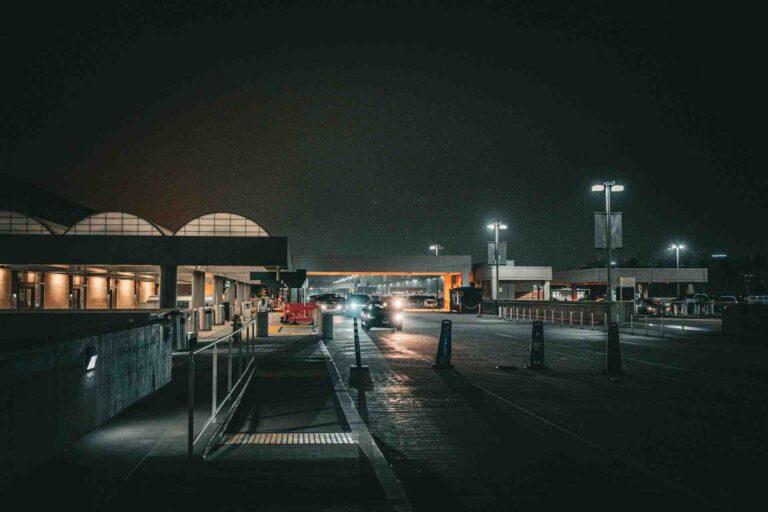
You clear immigration, collect your bag, walk through customs, and step out into the arrivals hall. The automatic doors open. Cold air hits you if it’s the UK or Canada. The noise, the signage, the faces, all of it is unfamiliar.
Nobody tells you what the first few hours actually feel like. The YouTube vlogs skip straight to the good parts. What you’re actually experiencing is a combination of exhaustion from a long flight, sensory overload from a completely new environment, and the quiet pressure of knowing that from this moment, you’re on your own in a way you’ve never quite been before.
This article is about those first 24 hours. Not the exciting stuff. The practical stuff. What to do, in what order, and how to avoid the mistakes that cost people money and cause unnecessary stress right at the start of their abroad life.
Quick Summary
- The first 24 hours after landing are about basics: get to your accommodation safely, get a local SIM, and don’t make expensive decisions while you’re exhausted and disoriented.
- Have your accommodation address saved offline before you land. Don’t rely on WiFi you don’t yet have access to.
- Currency exchange at the airport is almost always a bad rate. Get just enough cash to move, then find a better rate in the city.
- The weather, the transport system, the food, and the pace of life will feel unfamiliar. That’s normal. Give yourself 24 hours before you start worrying about anything beyond immediate needs.
- Call home once you’re settled. Let someone know you arrived safely.
The First Thing: Get to Your Accommodation Without Drama
Everything else, the SIM card, the bank account, the grocery run, can wait. Your first and only priority after clearing arrivals is getting to where you’ll be sleeping that night safely and without overpaying.
Before you left Nigeria, you should have:
- Your accommodation address written down or saved offline
- A clear plan for how to get there from the airport (train, bus, taxi, pickup)
- The cost of that transport, roughly, so you know what’s reasonable
If you didn’t prepare this and you’re now standing in arrivals with no plan, here’s what to do. Find the airport information desk, usually in the arrivals hall, and ask for the best way to get to your area. Use the official taxi rank or a ride-hail app once you have data. Do not accept unsolicited offers of transport from people who approach you inside the terminal.
On transport costs: airport taxis are expensive everywhere. In London, a black cab from Heathrow to central London can cost £60 to £90. The Heathrow Express train to Paddington takes 15 minutes and costs significantly less. In Toronto, the UP Express train to Union Station is faster and cheaper than a taxi. Research this for your specific airport before you land, not when you’re tired and standing outside with three bags.
If someone arranged to pick you up, confirm the meeting point before you travel and have their phone number saved offline. “I’ll meet you at arrivals” is not a plan. Heathrow alone has five terminals. Specify the terminal, the exact exit, and what they’ll be holding or wearing.
Get a Local SIM Card as Soon as Possible
Your Nigerian SIM will work abroad on roaming but the cost is punishing, and in many countries the connection is unreliable. A local SIM gives you affordable data, a local number for registrations and verifications, and the ability to use maps, messaging, and everything else without burning through your naira balance.
Most major airports have phone network kiosks in the arrivals hall or just outside. In the UK, you’ll find EE, Vodafone, Three, and O2. In Canada, Rogers, Bell, and Telus. In Ireland, Three and Vodafone. Prices and plans vary but a basic prepaid SIM with a reasonable data allowance is usually inexpensive.
What to bring to the kiosk:
- Your passport (some networks require ID for SIM registration)
- Cash or a card for payment
You don’t need a long-term contract on day one. A prepaid SIM gets you connected immediately. You can switch to a better plan once you’ve had time to compare options.
Once you have data, the first thing to do is connect to WhatsApp or whatever platform your family uses and let them know you’ve landed and you’re moving. Keep it brief. Full debrief calls can happen once you’re settled.
Currency: Don’t Exchange Everything at the Airport
Airport currency exchange bureaus are convenient and almost universally poor value. The rates are worse than what you’ll find in the city, and the fees are sometimes hidden in the spread between buy and sell rates rather than stated upfront.
What to do instead:
- Arrive with a small amount of local currency obtained before you left Nigeria, just enough for immediate transport and essentials, roughly the equivalent of $30 to $50 or its local equivalent.
- Use your Nigerian debit card at an ATM in the arrivals hall for a small amount if you need more immediately. Be aware of your bank’s international transaction fees and the ATM’s own charges.
- Exchange the bulk of your funds once you’re in the city, using a reputable exchange bureau or a service like Wise or a local equivalent that offers competitive rates.
Don’t carry large amounts of cash. Don’t exchange everything at the airport. And don’t trust anyone who approaches you outside the official exchange bureau offering “better rates.”
Check In, Drop Your Bags, and Rest Before Anything Else
Once you get to your accommodation, check in, put your bags down, and give yourself at least an hour before you start doing anything else.
This sounds obvious but many first-time arrivals push straight into activity mode. They want to explore, call everyone, figure out the grocery situation, and process the enormity of what just happened all at once. The result is usually an overwhelming afternoon followed by a crash that takes days to recover from.
You’ve been awake for a long time. A Lagos to London flight is roughly 6 to 7 hours, and by the time you factor in check-in, the airport wait, and the journey from the airport, you’ve probably been in transit for 12 hours or more. Canada and Australia are longer. Your body knows this even if your adrenaline doesn’t.
Drink water. Eat something if you’re hungry. Lie down even if you don’t sleep. Let your nervous system settle.
The time zone difference will hit you at some point, possibly not immediately. If you land in the UK and it’s 6am Nigerian time but 6am UK time, that alignment won’t last. Your body will want to sleep at strange hours for a few days. Try to stay awake until local nighttime on your first day, even if you’re exhausted. It helps reset your rhythm faster.
Sort the Immediate Practical Basics
Once you’ve rested and eaten, there are a handful of things worth doing in the first 24 hours that will make the days that follow significantly easier.
Locate the nearest grocery store or supermarket. You need to eat. In the UK this might be a Tesco Express or a Co-op near your accommodation. In Canada, a Walmart, Loblaws, or No Frills. In Ireland, a Lidl or SuperValu. Even if you don’t do a full shop on day one, knowing where it is matters.
A few things to know about food shopping abroad for the first time: portion sizes and packaging are different. Pricing feels strange when you’re converting to naira in your head. And some things you’re used to, specific Nigerian ingredients, certain spices, certain brands, won’t be on the shelves of a standard supermarket. That’s fine. You’ll find African or international food shops in due course. Day one is just about feeding yourself.
Figure out your transport options. How does the bus or train system work where you are? In London, you need an Oyster card or a contactless bank card for the tube and buses. In Toronto, you need a Presto card for the TTC. In most European cities, you can buy a transit pass at any station. Learn the basics of the system for your city in the first day so you’re not confused every time you need to go somewhere.
Confirm your first important appointment or commitment. If you’re starting university in a few days, check when your registration or induction is and where it is. If you’re starting a job, confirm your start date and location. If you need to register with a GP or a local authority within a certain window, note that deadline. You don’t need to do all of this today. Just know what’s coming and when.
The Emotional Reality of the First 24 Hours
Nobody talks about this part directly, so let’s be direct about it.
The first 24 hours abroad often feel nothing like what you expected. For some people it’s exciting and overwhelming in a good way. For many it’s quieter and stranger than that. You’re alone in a way you haven’t experienced before. The sounds are different. The temperature is different. The streets feel unfamiliar. Nobody around you knows who you are.
This is not a sign that you made a wrong decision. It’s just what displacement feels like before it becomes familiarity. Every Nigerian you know who’s been abroad felt some version of this in their first hours, even the ones who now make it look effortless on Instagram.
What helps: doing small practical things, because action counters anxiety. Getting your SIM. Finding the supermarket. Sending a voice note home. Making a cup of tea or eating something familiar if you brought snacks from Nigeria. These are not trivial. They’re grounding.
What doesn’t help: doom-scrolling Nigerian Twitter at midnight your first night abroad, comparing your first 24 hours to someone else’s highlight reel, or making any large decisions while you’re exhausted and disoriented. None of that is for today.
Taiwo’s First Night in Dublin
Taiwo, 26, landed at Dublin Airport on a cold Tuesday evening for a master’s in data analytics. She had her accommodation address in Rathmines saved in her phone notes, offline. She’d researched the Aircoach bus route from the airport to the city centre before she left Lagos.
She bought a local Three SIM at a kiosk in arrivals for €10. She sent her mum a voice note on WhatsApp from the bus. She got to her accommodation, checked in, ate the jollof rice she’d brought in a sealed container in her carry-on (yes, you can do this), and was asleep by 9pm.
The next morning she found the nearest Lidl, bought breakfast, and spent an hour walking around her neighbourhood just to get a feel for it.
She didn’t do anything remarkable. She just did the basics right. Two years later she’s completed her degree, has a work permit, and describes that first night as “quiet and kind of lonely but fine.”
That’s what a good first 24 hours looks like. Not glamorous. Just steady.
First 24 Hours Checklist
Work through this after you land:
- [ ] Arrived at accommodation safely using planned transport
- [ ] Checked in and bags dropped
- [ ] Local SIM purchased and activated
- [ ] Family or emergency contact notified of safe arrival
- [ ] Eaten something and had water
- [ ] Rested, even briefly
- [ ] Nearest grocery store or supermarket located
- [ ] Local transport basics understood (bus, train, card needed)
- [ ] First important appointment or deadline confirmed
- [ ] Digital copies of documents accessible and backed up
- [ ] Currency situation sorted, large exchange deferred to city rate
FAQs
Should I exchange all my money at the airport or wait? Wait. Get just enough local currency to cover transport and immediate food. Exchange the rest in the city at a bureau or through a service like Wise that offers better rates. Airport exchange desks consistently offer worse rates than city options.
I feel overwhelmed and a bit low after landing. Is that normal? Yes. What you’re feeling has a name, it’s sometimes called arrival depression or relocation blues, and it’s extremely common among first-time migrants. The excitement of planning collides with the reality of displacement and the work still ahead. It usually eases within a few days as your environment becomes more familiar. If it persists for weeks and is affecting your ability to function, speak to a counsellor or your university’s student support services.
My accommodation fell through at the last minute. What do I do? This is a genuine crisis and you need to act fast. Contact your university’s accommodation office if you’re a student, many have emergency housing provisions for exactly this situation. If not, book a hostel or budget hotel for two to three nights to give yourself breathing room while you sort something longer term. Do not accept informal accommodation offers from strangers at the airport.
Is it safe to use public WiFi at the airport to do banking? Avoid doing any sensitive banking over public airport WiFi. Use your mobile data once your SIM is active. If you need to check your account urgently before you have a SIM, use your roaming data rather than public WiFi. Public networks can be insecure and are a common vector for data theft.
When should I start setting up a bank account? Not on day one. Give yourself two to three days to settle, then start the process. In the UK, many Nigerians open accounts with digital banks like Monzo or Starling first because they require less paperwork and are faster to activate than high street banks. A local bank account is important early on for receiving payments and managing local expenses, but it doesn’t need to happen in the first 24 hours.
The First Day Is Just the First Day
It doesn’t set the tone for everything that follows. One disorienting evening doesn’t mean the whole experience will be hard. One bad night of sleep doesn’t mean you made a wrong decision.
Do the practical things. Rest. Eat. Let yourself be a bit lost for a few hours. You’ll find your footing faster than you think.
When you’re ready to go deeper on settling in, DeyWithMe has guides covering how to open a bank account abroad, register with local services, navigate the NHS or equivalent healthcare systems, and build a life in the UK, Canada, Australia, and beyond. One step at a time.