Someone flies Lagos to Abuja all the time for work, books it from their phone in three minutes, and assumes international booking works the same way. They book a Lagos to London flight, enter their name the way they enter it everywhere, discover at check-in that it doesn’t match their passport, and either pay a name correction fee or miss the flight.
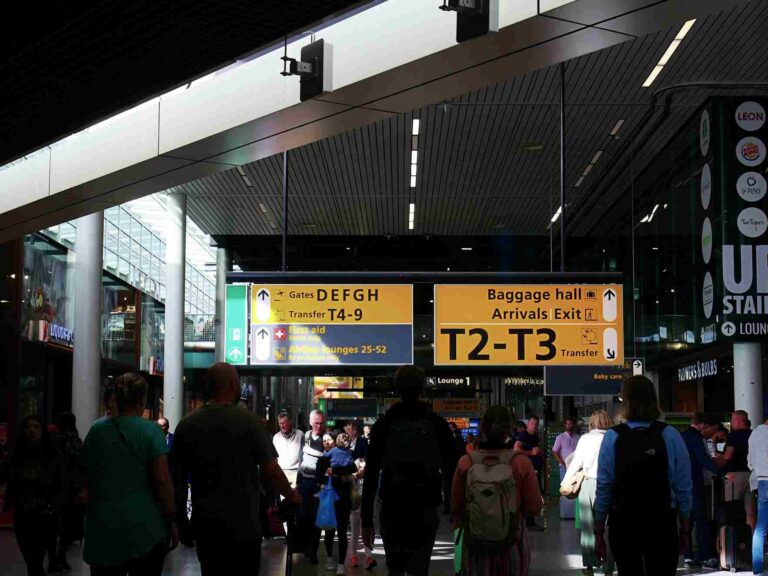
Someone else has done long-haul international travel but is flying domestic for the first time. They show up with only their passport and discover the domestic terminal at Lagos is a different building from the international terminal. They allowed the same 3-hour buffer they would for an international flight, which was more than enough, but they’d parked on the wrong side of the airport.
These are not rare scenarios. They’re the natural result of treating two different processes as if they’re the same. They’re not.
This article breaks down what’s actually different between domestic and international flight booking in Nigeria, where each one is likely to trip you up, and how to navigate both without the expensive lessons.
Quick Summary
- Domestic flight booking in Nigeria is simpler and faster than international booking, but it has its own pitfalls, particularly around schedule reliability and baggage assumptions.
- International bookings require more documents, more lead time, and more careful attention to passport details, visa requirements, and layover rules.
- For domestic flights, a valid government-issued ID is enough. For international flights, you need a valid passport with at least 6 months of remaining validity.
- Nigerian domestic airlines have a reputation for delays and schedule changes. Build buffer time into any connection or onward plan that depends on a domestic leg.
- Don’t assume international booking rules apply to domestic flights or vice versa. The two processes are similar in structure but different in almost every practical detail.
The Fundamental Difference: Simplicity vs Complexity
Domestic flight booking in Nigeria is, at its core, a simple transaction. You pick a route, pick a date, pay, and show up. The requirements are minimal, the document checks are light, and the whole booking process can genuinely take under 5 minutes once you know what you’re doing.
International booking involves more layers. Your passport details go into the booking system and must match exactly. Your destination country’s entry requirements determine what documents you need beyond a ticket. Layover countries may have their own visa requirements. Baggage policies differ significantly between airlines. And the consequences of errors are higher because you’re crossing a border with an immigration officer waiting on the other side.
Understanding this fundamental difference in complexity is the starting point for approaching each one correctly.
Domestic Flights in Nigeria: What You Need to Know
The Main Routes and Airlines
The busiest domestic routes in Nigeria are:
- Lagos (LOS) to Abuja (ABV): the most frequently flown domestic route, with multiple daily flights from several airlines
- Lagos (LOS) to Port Harcourt (PHC): high demand, especially mid-week due to oil and gas travel
- Abuja (ABV) to Port Harcourt (PHC): busy but fewer frequency options
- Lagos (LOS) to Kano (KAN), Enugu (ENU), Calabar (CBQ), and others: available but with fewer daily options
Airlines operating domestic routes include Air Peace, Ibom Air, United Nigeria Airlines, Overland Airways, and others. Check current availability on booking platforms as the domestic airline landscape in Nigeria changes regularly.
What You Need to Book
For a domestic flight, the booking process is straightforward:
- Your full name (doesn’t need to match a passport exactly, but should match whatever ID you’ll present at the airport)
- A valid email address for your booking confirmation
- A working debit card or mobile payment method
At the airport for a domestic flight, you’ll need:
- Your boarding pass (printed or on your phone)
- A valid government-issued ID: national ID card, voter’s card, driver’s licence, or passport. Any of these works. You don’t need a passport specifically for domestic travel.
The Reliability Problem
This is the honest part. Nigerian domestic airlines have a documented history of delays, schedule changes, and in some cases last-minute cancellations. It’s not universal and it’s not every flight, but if you’re flying domestically and then connecting to something that matters, whether it’s a meeting, a connecting international flight, or a court appearance, build in buffer.
Don’t book a domestic Lagos to Abuja flight that lands at 3pm if your important thing starts at 4pm. That’s a gamble, not a plan.
Where to Book Domestic Flights
- Airline websites directly: Air Peace (flyairpeace.com), Ibom Air (ibomair.com), United Nigeria Airlines (unitednigeriaairl ines.com). Direct booking sometimes offers better flexibility on changes.
- Nigerian aggregators: Wakanow, Travelbeta, and Travelstart Nigeria list domestic routes and accept Nigerian card payments smoothly.
- Google Flights: lists some Nigerian domestic routes but may redirect to third-party booking sites. Confirm the platform before paying.
International Flights from Nigeria: What’s Different
Lead Time and Planning
For domestic flights, booking a week or even a few days in advance is normal and often fine. For international flights, especially on competitive routes like Lagos to London or Lagos to Toronto, fares rise significantly as the departure date approaches.
For most popular international routes from Nigeria, booking 6 to 12 weeks in advance gives you a better fare selection than waiting. For peak travel periods like December, summer, and Easter, even earlier is better.
Passport Requirements
For any international flight, you need a valid Nigerian passport. Not a national ID card, not a voter’s card, not a driver’s licence. A passport.
And not just any passport. Most countries require your passport to be valid for at least 6 months beyond your intended travel date. So if your passport expires in October and you want to travel in July, you already have a problem. Check your expiry date before you even search for fares.
Name Entry is Critical
When booking an international flight, your name in the booking system must match your passport exactly. First name, middle name if it appears on your passport, and surname. No abbreviations, no nicknames, no dropping the middle name if it’s there.
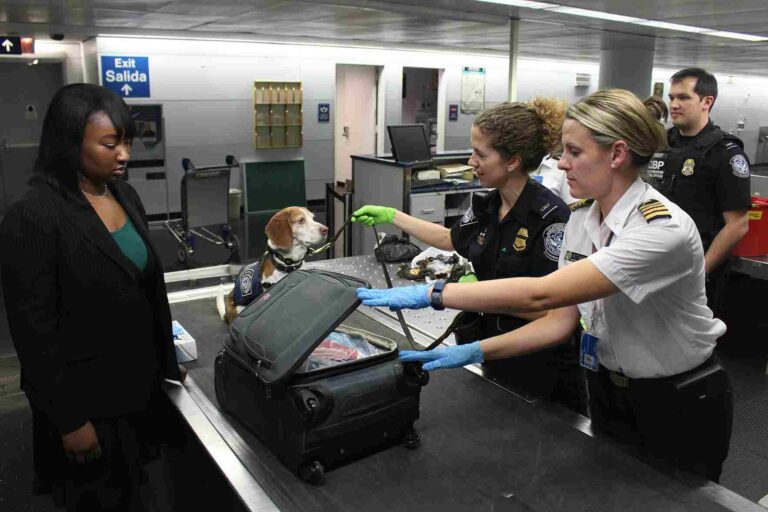
The name on your boarding pass is what immigration officers compare against your passport. A mismatch creates problems at check-in and potentially at border control. Airlines vary on how they handle name corrections: some allow it for a fee, some require a full rebooking, some only allow minor corrections within 24 hours. Don’t create this problem in the first place.
Visa Requirements
Booking a flight doesn’t give you the right to enter a country. Your visa does. Check whether you need a visa for your destination before you book, and if so, whether you need to apply before you travel or whether you can get one on arrival.
As a Nigerian passport holder, visa-on-arrival options are limited. Most major destinations including the UK, US, Canada, Australia, and Schengen countries require you to apply and receive your visa before you travel. Apply for the visa first, then book your flight once you have it, or book a refundable fare if you need to show a confirmed booking as part of the visa application.
Layover Country Visa Rules
This is something many Nigerian travellers only discover after they’ve booked.
If your international flight has a layover in the UK, and you’re a Nigerian passport holder, you may need a Direct Airside Transit Visa (DATV) even if you never leave the airport. This requirement applies at certain UK airports. The UK Home Office website has the current list of nationalities that require this.
Similar rules apply to some other countries. A Schengen transit visa may be required for layovers in certain European airports depending on your destination. Check the transit visa requirements for every country on your itinerary, not just your final destination.
Baggage Allowance Differences
Domestic Nigerian airlines typically offer a checked baggage allowance of around 20kg to 25kg in economy, though this varies by airline and fare type. Check your specific booking.
International airlines vary significantly. A full-service carrier like British Airways or Emirates may include 23kg checked baggage in economy. A budget carrier on the same route may include zero checked baggage in the base fare, requiring you to pay extra. The advertised fare on aggregator platforms is often the base fare without bags. Always check what’s included before comparing prices.
Side-by-Side Comparison: Domestic vs International
| Domestic | International | |
| ID required | Any valid government ID | Passport (6+ months validity) |
| Booking lead time | Days to a week is fine | 6 to 12 weeks recommended |
| Name matching | Moderate importance | Critical, must match passport exactly |
| Visa check | Not applicable | Essential before booking |
| Layover rules | Not applicable | Transit visa may be required |
| Baggage included | Usually yes (check fare) | Varies widely, check each fare |
| Airport arrival time | 2 hours before | 3 hours before minimum |
| Terminal | Domestic terminal | International terminal (different building at some airports) |
| Reliability | Variable | Generally more consistent |
Tosin’s Two Bookings
Tosin, 30, booked a domestic Lagos to Abuja flight on a Monday morning for a Wednesday departure. She used the Air Peace app, entered her name, selected her seat, and paid with her UBA debit card. Total time: six minutes. She showed up at the domestic terminal at Murtala Muhammed Airport two hours before departure, showed her voter’s card at check-in, and boarded without any issues.
Three months later, she booked a Lagos to Amsterdam flight for a work trip. This time she used Google Flights to compare prices, found KLM offered the best fare with a reasonable Amsterdam layover, and booked directly on klm.com. She entered her name exactly as it appeared on her passport: Toluwanimi Adebimpe Adeyemi. She checked that her passport had over 8 months of validity remaining. She confirmed that Nigerian passport holders do not need a transit visa for Amsterdam’s Schiphol Airport for her route.
The international booking took about 30 minutes, including the time she spent verifying layover requirements and checking her baggage allowance.
Both flights worked out cleanly. The difference was in how much preparation each one required.
FAQs
Can I use the same booking platform for both domestic and international flights? Yes, most Nigerian aggregators like Wakanow, Travelbeta, and Travelstart handle both. Google Flights covers international routes well but has more limited domestic Nigeria coverage. For domestic-only bookings, going directly to the airline’s website (Air Peace, Ibom Air, United Nigeria) is often simplest.
Do I need a passport for a domestic flight within Nigeria? No. Any valid government-issued ID works for domestic travel: national ID card, voter’s card, driver’s licence. A passport is fine if that’s what you have, but it’s not required for flying within Nigeria.
Can I book an international flight without a visa and use the ticket for the visa application? Some visa categories require a confirmed flight booking as part of the application. If you need to show a booking but don’t want to risk buying a non-refundable ticket before your visa is approved, look for fully refundable fares or use a flight booking service specifically designed for visa applications (sometimes called a dummy ticket or flight reservation service). Note that some embassies specifically require a confirmed paid booking, not just a reservation. Check the specific requirements for your visa type.
Are domestic Nigerian airlines covered by compensation rules if they delay or cancel my flight? The Nigerian Civil Aviation Authority (NCAA) has passenger rights regulations that cover domestic travel. If an airline causes a significant delay or cancellation, you’re entitled to information, refreshments for long waits, and a choice of rebooking or a refund for cancellations. In practice, enforcing these rights can be difficult. Keep records of any delays and contact NCAA if an airline refuses to honour its obligations.
I’m flying domestic to connect to an international flight. How much time should I allow? More than you think. If you’re flying Lagos to Abuja domestically and then catching an international flight from Abuja, allow at least 4 to 5 hours between the domestic arrival and international departure. Nigerian domestic schedules are unreliable enough that a 2-hour connection is risky. If the domestic leg is delayed and you miss your international flight, the two bookings are separate and the international airline has no obligation to rebook you for free.
Know the Difference Before You Book
Domestic and international flight bookings start the same way, but they diverge quickly in what they require from you. The domestic process is faster and more forgiving. The international process has more steps, stricter document requirements, and higher consequences for errors.
Take each booking seriously on its own terms. Check what’s required for your specific route, enter your details carefully, and confirm everything before you pay.
If you’re booking an international flight as part of your japa plans, make sure your passport is in order first. DeyWithMe’s Nigerian passport guide covers the application process, current fees, and renewal steps so you can get that sorted before you start searching for fares.